Exercise for a Healthy Body: A Beginner-Friendly Guide to Staying Strong and Energized
Introduction: Why Moving Your Body Changes Everything
When you think about living a healthy life, one thing always comes to mind—exercise. Yet, for a large number of individuals, it seems like an insurmountable challenge. You may wonder, “Where do I start? Do I need a gym? How much time is enough?” The truth is, exercise doesn’t need to be complicated. What you need is a clear understanding of why it matters, how it helps your body, and simple ways to fit it into your daily routine.
In this guide, we’ll walk step by step through the role of exercise in maintaining a healthy body, supported by science, real-life examples, and practical tips you can start today.
Why Exercise Matters More Than Ever
Life today is fast-paced, often sedentary, and full of stress. According to the World Health Organization (WHO), more than 1 in 4 adults and 4 in 5 adolescents don’t meet recommended physical activity levels (WHO, 2024). That lack of movement is linked to obesity, heart disease, type 2 diabetes, and even certain cancers.
But here’s the good news: regular physical activity reduces the risk of premature death by up to 30% (BMJ, 2020). Even small efforts—like a brisk 20-minute walk—can add years to your life. Exercise isn’t just about looking fit; it’s about keeping your heart, brain, and entire body working the way they should.
The Science-Backed Benefits of Exercise
When you move your body regularly, you’re doing much more than burning calories. Let’s break down the benefits in simple, real-life terms.
1. Stronger Heart and Lungs
Cardiovascular exercises like walking, jogging, or cycling improve how efficiently your heart pumps blood and how well your lungs deliver oxygen. Over time, this reduces your risk of heart disease—the world’s leading killer.
Example: A study in The Lancet found that walking at least 8,000–10,000 steps a day is linked to a much lower risk of early death, regardless of age (Lancet, 2022).
2. Better Mental Health
Exercise is like a natural antidepressant. It reduces anxiety, improves mood, and helps fight depression. In fact, a meta-analysis found that people who exercise regularly have a significantly lower risk of developing depression compared to those who don’t (PubMed, 2022).
Think of it this way: after a stressful day, a simple 30-minute jog or yoga session can calm your nerves better than scrolling on your phone.
3. Stronger Muscles and Bones
Strength training—even simple bodyweight exercises like push-ups and squats—helps you build muscle and bone density. This prevents injuries, supports your posture, and lowers the risk of osteoporosis as you age.

4. Weight Management
Exercise helps burn calories and supports a healthy metabolism. While diet plays a big role in weight loss, exercise ensures that what you lose is fat, not muscle.
5. Increased Energy Levels
Ironically, using energy to exercise gives you more energy in return. Regular movement improves blood circulation and oxygen delivery, making you feel less tired during the day.
How Much Physical Activity Is Necessary for You?
The numbers might surprise you—it’s less than you think.

-
Adults:
-
At least 150–300 minutes of moderate-intensity aerobic activity per week (like brisk walking or cycling).
-
Or 75–150 minutes of vigorous activity (like running or HIIT workouts).
-
Plus, 2 days of strength training targeting major muscle groups (WHO & CDC guidelines, 2023).
-

-
Children/Teens:
-
At least 60 minutes of physical activity daily, with a mix of play, sports, and strength-building activities.
-
Tip: You don’t need to do it all at once. Even 10-minute sessions add up. Three short walks during the day can equal 30 minutes.
Simple Ways to Add Exercise to Your Day
You might feel that exercise requires a gym membership or fancy equipment, but that’s a myth. Here are beginner-friendly, practical ways to move more:
Walking: The Underrated Hero
Feet on the ground is among the simplest and most beneficial types of physical activity.
It strengthens your heart, clears your mind, and is gentle on your joints. Aim for 7,000–10,000 steps daily, or simply walk 30 minutes at a brisk pace.
At-Home Workouts
Bodyweight exercises such as:
-
Push-ups

-
Squats

-
Lunges

-
Planks
require no equipment and can be done in just 15–20 minutes.
Active Hobbies
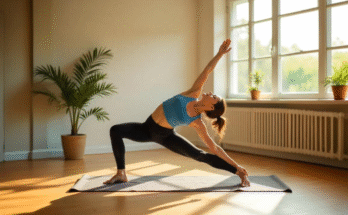
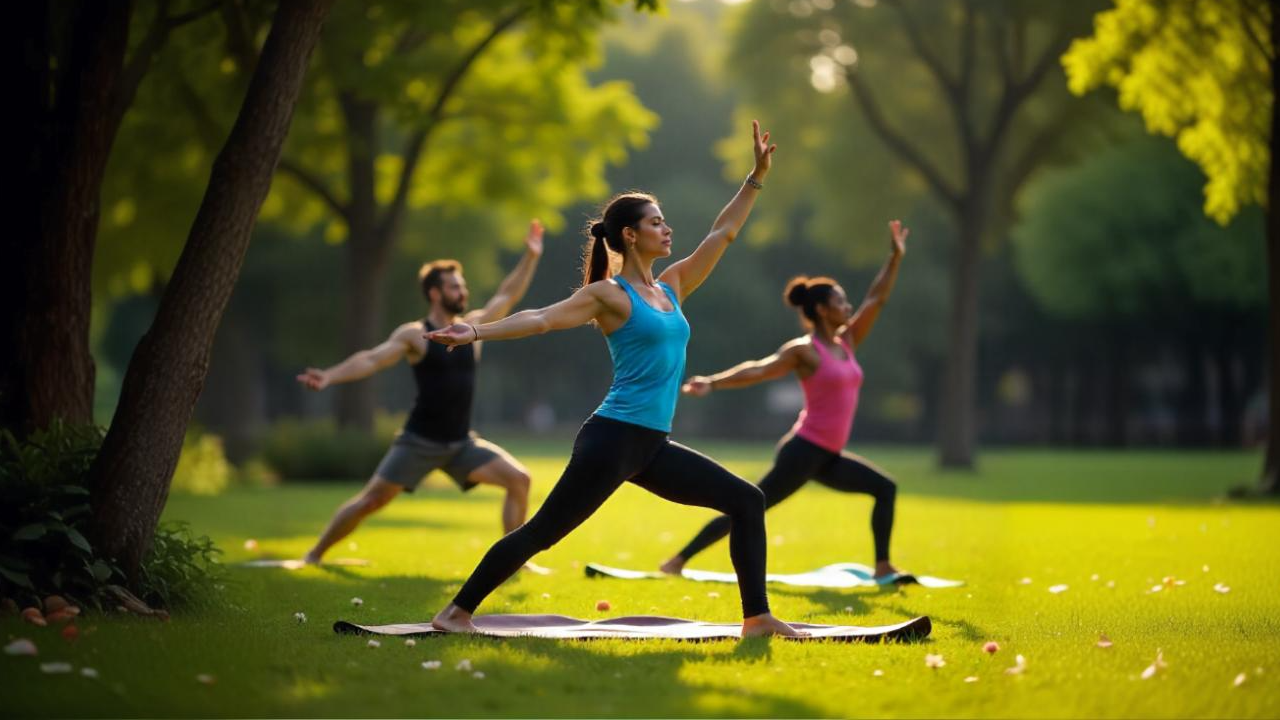
Dancing, gardening, swimming, or even playing with your kids all count as physical activity. Choose what you enjoy, because consistency matters more than intensity.
Desk-Friendly Moves
If you work long hours at a desk, try standing up every hour, stretching your shoulders, or walking during phone calls. Even small breaks prevent stiffness and improve circulation.
Overcoming Common Barriers
Almost everyone struggles with exercise at some point. Here are the most common challenges and how to beat them:
1. “I Don’t Have Time.”
-
Solution: Break workouts into short 10–15 minute sessions. Morning stretches, a lunchtime walk, and a quick evening routine still count.
2. “I’m Too Tired.”
-
Solution: Ironically, exercise gives you energy. Start with gentle movements like yoga or walking, and your body will thank you.
3. “I Can’t Stay Motivated.”
-
Solution: Find a workout buddy, track your progress, or set small, achievable goals. Reward yourself with non-food treats like a new book or fitness gear.
4. “I Don’t Know What to Do.”
-
Solution: Follow beginner workout videos online, join a local class, or consult a trainer for a personalized plan.
Real-Life Stories That Inspire
-
Sarah’s Story: A 42-year-old working mom, Sarah started with 10 minutes of walking after dinner. Over a year, she built up to jogging 3 miles and lost 20 pounds. But more importantly, she said, “I finally feel like I can keep up with my kids again.”
-
Ali’s Journey: At 55, Ali was told by his doctor that he was at risk of diabetes. Instead of medications alone, he began cycling every morning. After six months, not only did he lose weight, but his blood sugar levels normalized.
These stories remind us that exercise isn’t about perfection. It’s about progress.
Expert Tips for Making Exercise a Habit
-
Schedule It Like an Appointment. Block time on your calendar just as you would for meetings.
-
Start Small, Then Build.Start with 10 to 15 minutes each day and slowly extend that time.
-
Mix It Up. Alternate between cardio, strength, and flexibility to keep things interesting.
-
Track Your Wins. Use a journal or app to record your workouts—it’s motivating to see progress.
-
Listen to Your Body. Take breaks when necessary. Pushing yourself too hard can result in exhaustion and injuries.
Exercise and Nutrition: The Perfect Pair
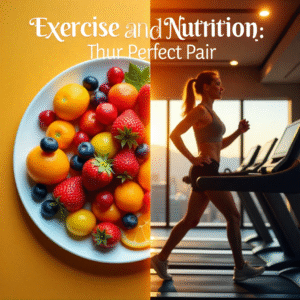
Just exercising is not enough to ensure good health. Combining it with a nutritious diet a nutritious diet enhances the positive effects. For example:
-
Protein supports muscle recovery.
-
Carbohydrates fuel your workouts.
-
Healthy fats keep your hormones balanced.
-
Water keeps you energized and prevents cramps.
Think of exercise and nutrition as a team—you need both working together for best results.
The Mental Shift: From Obligation to Celebration
Many people view exercise as a punishment for eating too much or a burden they “have” to do. Try shifting your perspective: exercise is a celebration of what your body can do. Instead of dreading it, treat it as an act of self-care, just like brushing your teeth or taking a shower.
Conclusion: Your Healthy Body Starts with One Step
Exercise doesn’t require perfection, a gym membership, or hours of your time. What it needs is consistency, patience, and compassion for yourself. Every step you take, every stretch you do, and every drop of sweat is a gift to your future self.
So, whether you start with a 10-minute walk, a dance in your living room, or a gentle yoga stretch, remember: progress matters more than perfection. Your body deserves movement, and your mind will thank you for it.
👉 Next Step: Start today with just one small activity. Tomorrow, do it again. Over time, these little steps build into a healthier, stronger, and happier version of you.
meta
Discover how exercise supports a healthy body and mind. Learn benefits, real-life tips, and beginner-friendly workouts to boost energy and well-being.