Table of Contents
ToggleExercise for a Healthy Heart: A Complete Guide to Building a Stronger, Longer Life
When people talk about living longer, healthier lives, the conversation often comes back to one thing — the heart. Your heart works tirelessly, beating more than 100,000 times a day to keep blood and oxygen flowing through your body. But here’s the truth: your heart needs care, and exercise is one of the most powerful ways to protect it.
If you’ve ever wondered how to keep your heart strong — without complicated fitness routines or expensive equipment — this guide is for you.
Why Your Heart Loves Exercise
Think of your heart as an engine. The more you use it wisely, the more efficient it becomes. Regular exercise doesn’t just help you feel fitter; it actually remodels and strengthens your cardiovascular system in ways you can feel in daily life.

Key benefits include:
-
Lower blood pressure – Exercise helps arteries relax and improves circulation.
-
Better cholesterol balance – Improved cholesterol equilibrium – It boosts “good” HDL while decreasing “bad” LDL.
-
Improved weight control – Extra pounds strain your heart, and activity helps burn calories effectively.
-
Reduced stress – Movement lowers cortisol, your stress hormone, which directly impacts heart health.
-
Lower risk of heart disease and stroke – Consistent activity reduces the chance of clogged arteries and heart attacks.
Even moderate movement — like walking 20 minutes a day — can reduce the risk of heart disease by up to 30% over time.
How Much Exercise Do You Really Need?

The great news is you don’t need to train like an athlete.
-
150 minutes of moderate activity per week (such as brisk walking, swimming, or cycling).
-
Or 75 minutes of vigorous activity (running, HIIT workouts).
-
Plus two strength-training sessions each week to keep muscles and metabolism healthy.
If you’re a beginner, even 10 minutes a day makes a difference. The magic lies in consistency, not perfection.
The Best Types of Exercise for Heart Health
1. Aerobic (Cardio) Workouts
These are your “heart-pumping” activities: walking, jogging, cycling, or swimming. They directly strengthen the heart muscle, improve lung capacity, and enhance circulation.
Real-life tip: If you’re busy, replace two short car rides each week with walking. Over a year, that could add up to more than 10,000 calories burned — and healthier arteries.
2. Strength Training
Many people think strength work is only for building muscles, but it’s also critical for heart health. Stronger muscles use oxygen more efficiently, reducing the heart’s workload.
Simple bodyweight moves like squats, push-ups, or resistance bands are enough to start.
3. Flexibility and Balance Training
Stretching, yoga, and balance exercises don’t directly strengthen the heart, but they keep you mobile and injury-free, ensuring you can keep up cardio and strength workouts consistently.
Building a Beginner-Friendly Weekly Plan
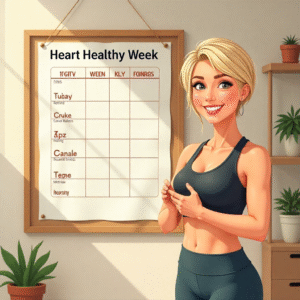
Here’s how you can turn science into action without overwhelming yourself:
-
Monday: 20-minute brisk walk after dinner.
-
Tuesday: 15 minutes of bodyweight strength (squats, push-ups, planks).
-
Wednesday: 30-minute bike ride or treadmill walk.
-
Thursday: Yoga or stretching (20 minutes).
-
Friday: 20 minutes of dancing or light jogging.
-
Saturday: Gardening, hiking, or playing with kids.
-
Sunday: Rest or gentle mobility exercises.
This flexible routine gives your heart the mix of cardio, strength, and recovery it needs.
Common Barriers and How to Overcome Them
1. “I Don’t Have Time.”
Break workouts into 10-minute sessions. Walk during lunch, stretch while watching TV, or take the stairs.
2. “I’m Too Tired After Work.”
Ironically, exercise gives you energy. Start small with a slow walk or yoga — your fatigue often fades after just 10 minutes of movement.
3. “I Lose Motivation Quickly.”
Find activities you enjoy. If you hate running but love music, try dance-based fitness. A workout buddy also helps you stay accountable.
4. “I’m Not Fit Enough.”
Everyone starts somewhere. Remember: the heart benefits even from light, consistent activity. Walking slowly is infinitely better than doing nothing.
Real-Life Stories of Heart Health through Exercise
-
Maria, 48, teacher: After her doctor warned her about rising blood pressure, Maria committed to daily walks with a friend. Six months later, her blood pressure dropped to a healthy range, and she reported, “I feel younger than I did ten years ago.”
-
Ahmed, 55, businessman: Sitting long hours left him overweight and pre-diabetic. He began cycling in the mornings. Within a year, he lost 18 pounds, and his blood sugar stabilized. “I don’t just feel healthier — I feel alive again,” he shared.
Stories like these remind us that you don’t need drastic changes; small, steady efforts reshape your health.
Safety First: When to Talk to Your Doctor
While exercise is safe for most people, check with your healthcare provider if you:
-
Have existing heart disease, high blood pressure, or diabetes.
-
Experience chest pain, dizziness, or shortness of breath while active.
-
Haven’t exercised in years and want to start a new program.
Think of your doctor as your teammate in building heart health — they can guide you to safe, effective activity levels.
The Bigger Picture: Lifestyle and Heart Health
Exercise is only part of the equation. Combine it with:
-
A balanced diet rich in vegetables, fruits, whole grains, and lean protein.
-
Stress management through meditation, hobbies, or social time.
-
Avoiding smoking and excess alcohol, which directly harm heart tissue.
-
Regular checkups to track blood pressure, cholesterol, and sugar levels.
Your heart thrives when movement is paired with these supportive habits.
Small Wins to Celebrate

You’ll know your heart is getting stronger when:
-
Climbing stairs feels easier.
-
You recover faster after walking uphill.
-
Your resting heart rate lowers over time.
-
Your doctor notices improved blood pressure or cholesterol.
These victories might seem small, but together, they mark major progress.
Myth-Busting for a Healthier Heart
-
Myth: “You need a gym for real results.”
Truth: Walking, stretching, and home bodyweight workouts are incredibly effective. -
Myth: “Exercise needs to be vigorous to be effective.”
Truth: Moderate, steady movement does wonders for the heart — intensity is optional, not required. -
Myth: “If I’m older, it’s too late.”
Truth: Benefits appear at any age, even in your 70s or 80s. It’s never too late to strengthen your heart.
Conclusion: Your Heart Deserves This
Exercise is more than just physical activity; it’s a gift you give to your heart. You don’t need hours in the gym, expensive trainers, or a strict routine. You simply need consistency, patience, and kindness toward yourself.
Every walk, every stretch, every rep is an investment in a longer, stronger life. Your future self will thank you.
👉 Next Step: Pick one activity you enjoy and commit to just 10 minutes today. That small choice could be the start of a healthier heart and a healthier you.
Meta Description:
Discover how workouts improve heart health, prevent disease, and boost energy, with practical tips and easy routines for everyday life.