Exercise for a Healthy Uterus: A Complete Guide to Women’s Wellbeing
When most people think about exercise, the focus often lands on weight loss, muscle tone, or heart health. Rarely does anyone stop to consider how much movement benefits the uterus — one of the most important organs in a woman’s body. Your uterus plays a vital role not only in reproduction but also in your overall wellbeing, hormonal balance, and daily comfort.
If you’ve ever experienced painful cramps, irregular cycles, or pelvic discomfort, you know how much uterine health matters. The good news is that exercise can play a big role in supporting your uterus, easing symptoms, and even lowering the risk of future health problems. This guide explains everything in simple, practical terms, just as I would explain to a close friend.
Why Uterine Health Matters Beyond Reproduction
Your uterus isn’t just about pregnancy. It influences many areas of your health:
-
Menstrual comfort: Regular exercise can help reduce painful cramps and heavy bleeding.
-
Hormonal balance: Movement regulates insulin and estrogen levels, reducing risks of imbalance.
-
Pelvic support: Strong muscles around the pelvis prevent prolapse and discomfort.
-
Long-term prevention: Active women are less likely to develop fibroids and endometrial problems.
-
Emotional wellbeing: A healthy uterus often means more energy, better moods, and less stress.
In short, caring for your uterus is really about caring for your entire body.
How Exercise Supports Uterine Health
1. Improves Pelvic Blood Circulation
When you move, blood flow to the pelvic area improves. This extra circulation nourishes uterine tissues and reduces the stagnation that can make cramps worse.
2. Balances Hormones and Reduces Stress
Exercise helps regulate cortisol, the stress hormone, and balances insulin levels. Both are directly linked to estrogen, the hormone most connected to uterine health.
3. Supports Weight Management
Excess fat increases estrogen production, which can encourage fibroids or heavy periods. By maintaining a healthy weight through activity, you protect the uterus from unnecessary strain.
4. Strengthens the Pelvic Floor
Pelvic-floor muscles act like a hammock, supporting the uterus and other organs. Regular strengthening prevents prolapse, leakage, and discomfort.
5. Protects Against Sedentary Risks
Research suggests long sitting hours may increase fibroid risk. Small, regular bouts of activity reduce that risk and support circulation.
Best Exercises for a Healthy Uterus
Not every workout impacts the uterus in the same way. These are the most effective, science-backed types:
🧘 1. Pelvic Floor Exercises (Kegels)
-
Sit or lie comfortably.
-
Squeeze the muscles you’d use to stop urinating.
-
Hold for 3–5 seconds, then relax for the same amount of time.
-
Repeat 10–12 times, 2–3 times per day.
Kegels keep pelvic muscles strong, supporting the uterus directly.
🚶♀️ 2. Aerobic Activities (Walking, Swimming, Cycling)
-
Boosts circulation and reduces inflammation.
-
Helps with weight management.
-
Improves mood and energy levels.
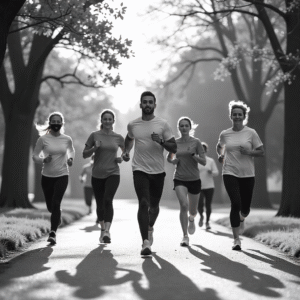
Aim for 150 minutes of moderate-intensity activity weekly.
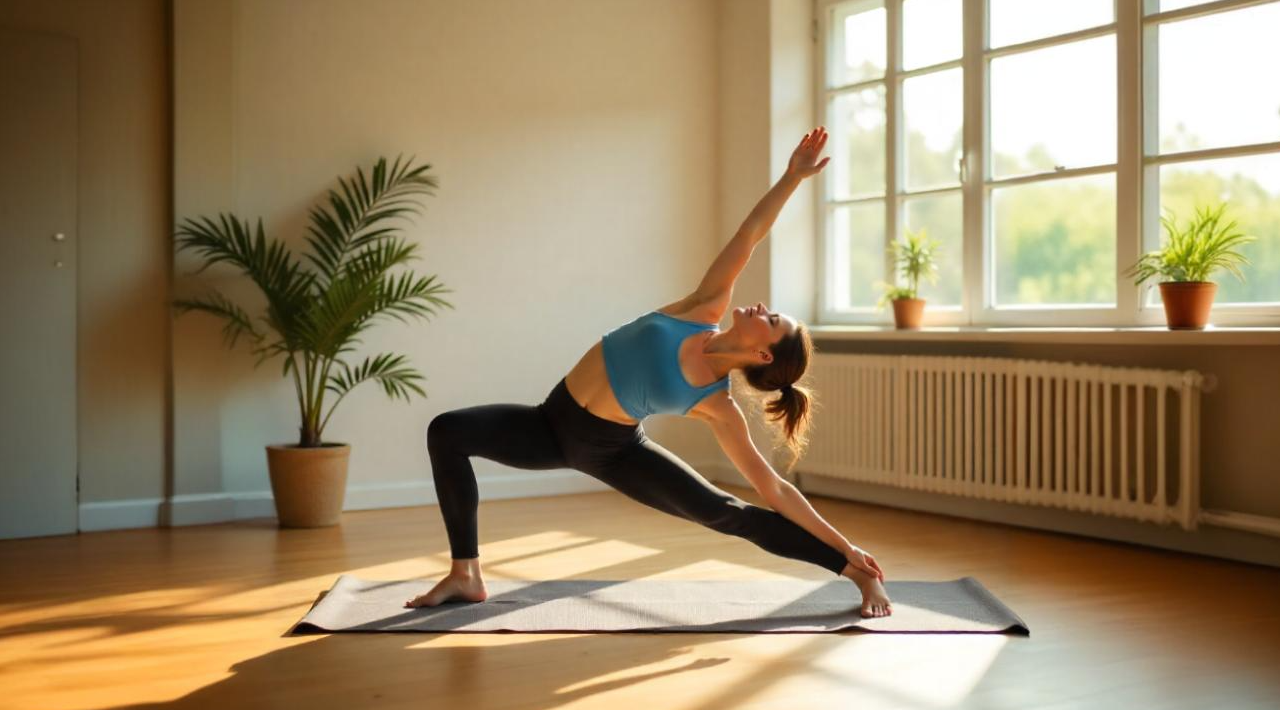
🧘♀️ 3. Yoga and Pilates
-
Calm the nervous system and reduce cramps.
-
Open the hips and relax pelvic tension.
-
Poses like Cat-Cow, Child’s Pose, and Reclined Bound Angle are gentle but powerful.
🏋️ 4. Strength Training
-
Builds stability in the core and glutes.
-
Supports hormone balance by improving metabolism.
-
Simple exercises: squats, lunges, bridges, and light dumbbell lifts.
🤸 5. Mobility and Stretching
-
Keeps the pelvis flexible and reduces stiffness.
-
Hip circles, pelvic tilts, and lower-back stretches are particularly beneficial.
-
Perfect for women with desk jobs.
A Beginner-Friendly Routine
If you’re unsure where to start, here’s a realistic plan.
Daily (10 minutes)
-
2 minutes: deep belly breathing.
-
3 minutes: Kegels.
-
5 minutes: hip stretches or Child’s Pose.
3–4 times per week (30–40 minutes)
-
20 minutes brisk walking, cycling, or swimming.
-
10 minutes strength training (squats, bridges, light weights).
-
5–10 minutes yoga for relaxation.
During Your Period
Go lighter with movement. Choose gentle yoga, walking, or stretching. Many women report reduced cramps after low-intensity workouts.
Lifestyle Habits That Boost Uterine Health
Exercise is powerful, but pairing it with daily habits makes the results even better:
-
Balanced diet: Eat fiber-rich foods, leafy greens, and omega-3s for hormone support.
-
Good sleep: Poor sleep worsens cramps and hormone imbalance.
-
Stress management: Breathing exercises, meditation, or journaling reduce hormonal stress.
-
Stay hydrated: Water improves circulation and reduces bloating.
-
Move often: Take a 5-minute walking break every hour if you sit a lot.
Real-Life Example
Take the story of Sarah, a 32-year-old who struggled with painful cramps for years. She started with just 10 minutes of yoga every morning and brisk walking three times per week. Within three months, her cramps reduced, her cycles became more regular, and her mood improved.
Her doctor noted healthier weight balance and better energy markers — all from simple, consistent movement.
Safety Tips
Always listen to your body:
-
Stop if you feel sharp pelvic pain.
-
Consult a doctor if you have endometriosis, large fibroids, or postpartum concerns.
-
If pregnant, follow exercise routines approved by your OB/GYN.
Conclusion: Small Steps Make a Big Difference
A healthy uterus isn’t only about medical care — it’s about daily choices. Exercise is one of the simplest, most empowering tools you have to protect your reproductive health. Whether you start with pelvic floor training, brisk walking, or gentle yoga, what matters most is consistency over perfection.
By moving regularly, you’ll not only support your uterus but also boost your mood, energy, and overall quality of life.
👉 Next Step: Try the 10-minute daily routine today, and see how your body feels in just a few weeks.
meta
“Discover effective exercises to support a healthy uterus. Improve circulation, balance hormones, ease cramps, and boost overall wellbeing.”