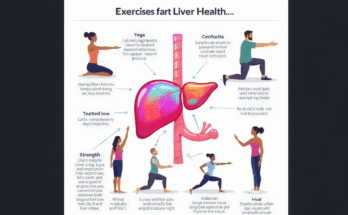
Exercise for Healthy Lungs: A Complete Guide to Breathing Better Every Day
Breathing is something you rarely stop to think about—until it becomes harder than usual. Whether you’re climbing stairs, laughing with friends, or running after your kids, your lungs are quietly working to supply oxygen to your body. But just like your muscles, your lungs need care and exercise to stay strong.
In today’s fast-paced, screen-heavy lifestyle, many people don’t move enough, which can weaken respiratory health over time. The good news is that with the right exercises and habits, you can train your lungs to function more efficiently, reduce breathlessness, and even prevent long-term problems.
Why Your Lung Health Matters
Your lungs play a central role in how energized and healthy you feel every day. According to the World Health Organization (2024), insufficient physical activity is a leading cause of respiratory and cardiovascular issues worldwide. When you don’t challenge your lungs through movement, they gradually lose efficiency.
On the other hand, exercise can help you:
-
Improve oxygen delivery to every cell in your body.
-
Strengthen breathing muscles, including the diaphragm.
-
Boost lung capacity and endurance.
-
Lower inflammation and reduce risks of respiratory illness.
Simply put: better lung health means more energy, more freedom, and less struggle to do the things you love.
How Exercise Benefits Your Lungs
When you exercise, your heart and lungs team up to move oxygen through your bloodstream and remove carbon dioxide. Over time, this training effect makes your lungs more efficient. Here’s what happens:
-
Deeper breathing: Aerobic activity forces your lungs to expand, allowing you to take in more oxygen.
-
Stronger breathing muscles: The diaphragm and intercostal muscles get stronger, making breathing easier.
-
Higher oxygen efficiency: Your body learns to use oxygen more effectively, so you feel less winded.
-
Reduced breathlessness: With regular training, everyday activities like walking or climbing stairs feel easier.
A recent BMC Medicine (2023) study confirmed that people who engaged in structured exercise programs showed measurable improvements in lung capacity and quality of life—even those living with chronic respiratory conditions.
Best Exercises for Healthy Lungs

1. Aerobic Workouts
Activities like walking, jogging, swimming, or cycling are excellent for your lungs. They make your breathing deeper and your heart stronger. Aim for 150 minutes of moderate aerobic activity per week.
👉 Practical example: Take a brisk 20-minute walk after dinner instead of scrolling on your phone.
2. Breathing Exercises
Simple breathing drills can be powerful for lung health. Try:
-
Diaphragmatic breathing: Put one hand on your belly and inhale deeply until your belly rises.
-
Pursed-lip breathing: Inhale through your nose and exhale slowly through pursed lips, as if blowing through a straw.
👉 Tip: Do this for 5–10 minutes daily, especially if you often feel short of breath.
3. Yoga and Pilates
Yoga poses like Cobra and Bridge open your chest, improving airflow. Pilates also emphasizes controlled breathing and posture, which supports stronger lungs.
4. Strength Training
Resistance training doesn’t directly strengthen the lungs but improves overall stamina. When your muscles are strong, your body uses oxygen more efficiently, so breathing feels easier.
Everyday Ways to Strengthen Your Lungs
You don’t need to hit the gym daily to improve lung health. Here are easy ways to stay active:
-
Walk or cycle to nearby shops instead of driving.
-
Take the stairs instead of the elevator.
-
Do household chores like vacuuming or gardening with more energy.
-
Stretch and practice deep breathing during work breaks.
Small, consistent actions create lasting improvements for your lungs.
Exercise and Chronic Lung Conditions
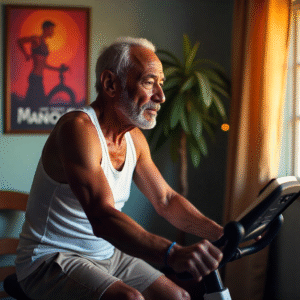
If you live with asthma, COPD, or another lung condition, you might hesitate to exercise. But research shows that gentle, regular activity can actually help.
For example, studies reveal that people with COPD who joined pulmonary rehab programs improved their walking endurance by over 30 meters in standard tests. That might sound small, but it means being able to enjoy a walk with your loved ones without constant stops.
👉 Advice: Always check with your doctor before starting new routines. Begin with low-intensity activities like yoga, light walking, or gentle stretching, then build up gradually.
How to Reduce Lung Diseases with Exercise
Exercise plays a powerful role in lowering the risk of many lung-related problems, including asthma, COPD, and other respiratory issues. While exercise alone cannot completely prevent or cure every lung disease, it strengthens the lungs, improves oxygen use, and builds resilience against breathing difficulties. Here’s how it works and what you can do:
1. Improves Lung Capacity
Aerobic activities like walking, swimming, or cycling train your lungs to take in more air and deliver oxygen more efficiently. This reduces strain on the lungs and helps you breathe easier, even if you have mild asthma or early lung conditions.
2. Strengthens Breathing Muscles
Breathing exercises—like diaphragmatic breathing and pursed-lip breathing—train your diaphragm and chest muscles. Stronger breathing muscles mean you can breathe more deeply and reduce the risk of shallow, inefficient breathing.
3. Lowers Inflammation
Regular physical activity reduces systemic inflammation in the body. Since chronic inflammation contributes to many lung diseases, exercising can protect lung tissue and slow down disease progression.
4. Improves Immunity
Consistent movement boosts your immune system, helping your body fight off respiratory infections (like pneumonia or bronchitis) that can damage the lungs over time.
5. Helps Clear Airways
Activities that increase your breathing rate can help move mucus out of the airways. This is particularly beneficial for people prone to chronic bronchitis or COPD flare-ups.
Practical Tips for Reducing Lung Disease Risk Through Exercise
-
Start with 20–30 minutes of walking or cycling, 5 days a week.
-
Add simple breathing exercises every morning for 5 minutes.
-
Try yoga or stretching to open up your chest and improve posture.
-
Stay active in daily life: take stairs, garden, or play outdoor games.
-
If you already have a lung condition, always consult your doctor before starting new routines. Begin gently and increase intensity gradually.
✅ In short: Exercise won’t guarantee you’ll never face lung disease, but it dramatically lowers the risk, strengthens your respiratory system, and improves recovery if problems arise.
Lifestyle Habits That Support Lung Health

Along with exercise, certain lifestyle choices can make a big difference:
-
Quit smoking: The single best step for healthier lungs.
-
Stay hydrated: Fluids keep your airways clear and reduce irritation.
-
Eat for lung health: Berries, citrus fruits, and leafy greens fight inflammation.
-
Maintain posture: Sitting upright gives your lungs more space to expand.
-
Avoid polluted air: On high-pollution days, limit outdoor workouts or wear a mask.

Overcoming Barriers to Exercise
It’s normal to face obstacles when starting new habits. Here’s how to handle them:
-
“I don’t have time.” Break activity into 10-minute walks or stretches.
-
“I get tired quickly.” Start slow and build endurance gradually.
-
“I lose motivation.” Try group activities, apps, or a workout buddy.
-
“I fear breathlessness.” Use pursed-lip breathing to calm yourself during activity.
Remember, progress is progress—even if it feels small.
Inspiring Statistics
-
Regular aerobic exercise can lower the risk of chronic lung disease by 30% (American Lung Association).
-
Just 2.5 hours of moderate activity weekly adds years to your life by improving lung and heart health (WHO, 2024).
-
Pulmonary rehab programs that include exercise significantly raise quality-of-life scores for people with lung conditions (PMC, 2022).
These numbers highlight the incredible impact of movement on your breathing and your life.
A Human Perspective: Appreciating Every Breath
Think of the last time you struggled to catch your breath—after a sprint, a cold, or even climbing stairs. Now imagine breathing freely, with strength and ease. Exercise gives you that gift.
Many people who once felt limited by breathlessness discover new independence when they stick to gentle workouts. For example, one COPD patient in a case study shared that walking a few minutes daily grew into 30 minutes over several months—allowing her to shop and enjoy time outdoors again.
Conclusion: Your Lungs Deserve Movement
Your lungs are your body’s life force, but they need attention. By combining regular exercise, mindful breathing, and healthy habits, you can give them the strength to serve you for decades to come.
👉 Your next step: Start today with a 10-minute brisk walk and two minutes of deep belly breathing. It may feel small, but it’s a powerful start toward stronger, healthier lungs.
“Discover how exercise improves lung health. Learn practical tips, breathing exercises, and habits to strengthen your lungs for better breathing every day.”